The 2030 goal

End hunger by 2030

By 2030, end hunger and ensure access by all people, in particular the poor and people in vulnerable situations, including infants, to safe, nutritious and sufficient food all year round.Sustainable Development Goal 2, target 2.1

Hunger is falling, but FAO and its partners find the improvements “insufficient to achieve the Sustainable Development Goals by 2030”. Our system exists to close that gap in developing countries.

645 mPeople facing hunger in 2025, 7.8% of the world
2.1 bnPeople moderately or severely food insecure in 2025
510–520 mPeople who may still face hunger in 2030

Sources: FAO, IFAD, UNICEF, WFP and WHO, The State of Food Security and Nutrition in the World 2026; United Nations, SDG 2.

At a glance

5Pillars in one food security system
20Programmes, four in each pillar
7Countries with active projects
30Nationalities in our team

SDG alignment

Verified trade, measurable progress on the SDGs

Through T57, our system brings small producers and businesses into verified trade and finance, and contributes to specific SDG targets measured from that trade.

1

No poverty

Targets 1.4, 1.5

Access to economic resources and financial services, and resilience to shocks.

2

Zero hunger

Targets 2.3, 2.c

Market access and finance for small-scale food producers, and timely market information to limit price volatility.

5

Gender equality

Targets 5.a

Women-owned businesses tracked and supported from onboarding.

8

Decent work and economic growth

Targets 8.3

Growth of micro, small and medium enterprises, including access to finance.

9

Industry, innovation and infrastructure

Targets 9.3

Small firms integrated into value chains, with access to credit.

10

Reduced inequalities

Targets 10.2

Economic inclusion through cooperatives and producer organizations.

12

Responsible consumption and production

Targets 12.3

Less food lost, as surplus is matched to buyers.

13

Climate action

Targets 13.1

Resilience through alternative origins and routes when climate shocks hit.

17

Partnerships for the goals

Public, private and development partners on shared infrastructure.
SDG contribution as published by T57. t57.ai/about/sdg-delivery ↗

The challenge

A food system that works in pieces cannot feed a region

Farming, logistics, processing, distribution and technology are each tackled on their own, and farmers carry the cost. Our research with governments found two gaps that matter most in developing countries: access to global markets and access to technology.

FarmingLogisticsProcessingDistributionTechnology
13%Share of food lost between harvest and retail
1.05 bn tFood wasted in 2022
84%Share of the world's 608 m farms smaller than two hectares
1/3Share of the world's food produced by small farms

Sources: FAO, Tracking progress on food and agriculture-related SDG indicators 2022; FAO, 2021; UNEP, Food Waste Index Report 2024.

T57

The World’s First AI-Native Food Ecosystem

T57 is a groundbreaking asset class at the intersection of agriculture, food trade, logistics, and finance. It links farmers, producers, sellers, governments, and other ecosystem stakeholders on a single unified platform.

Developed by Al-Mukarramah. T57 text and logo from T57 (t57.ai).

Partnerships

Working with governments and regional organisations

We deliver through governments and regional organisations. Our largest framework is with the Islamic Organization for Food Security (IOFS), as its strategic implementation partner. We are also building cooperation in ASEAN and with governments across Africa, Asia and the Middle East.

  1. June 2023Memorandum of understanding signed with IOFS
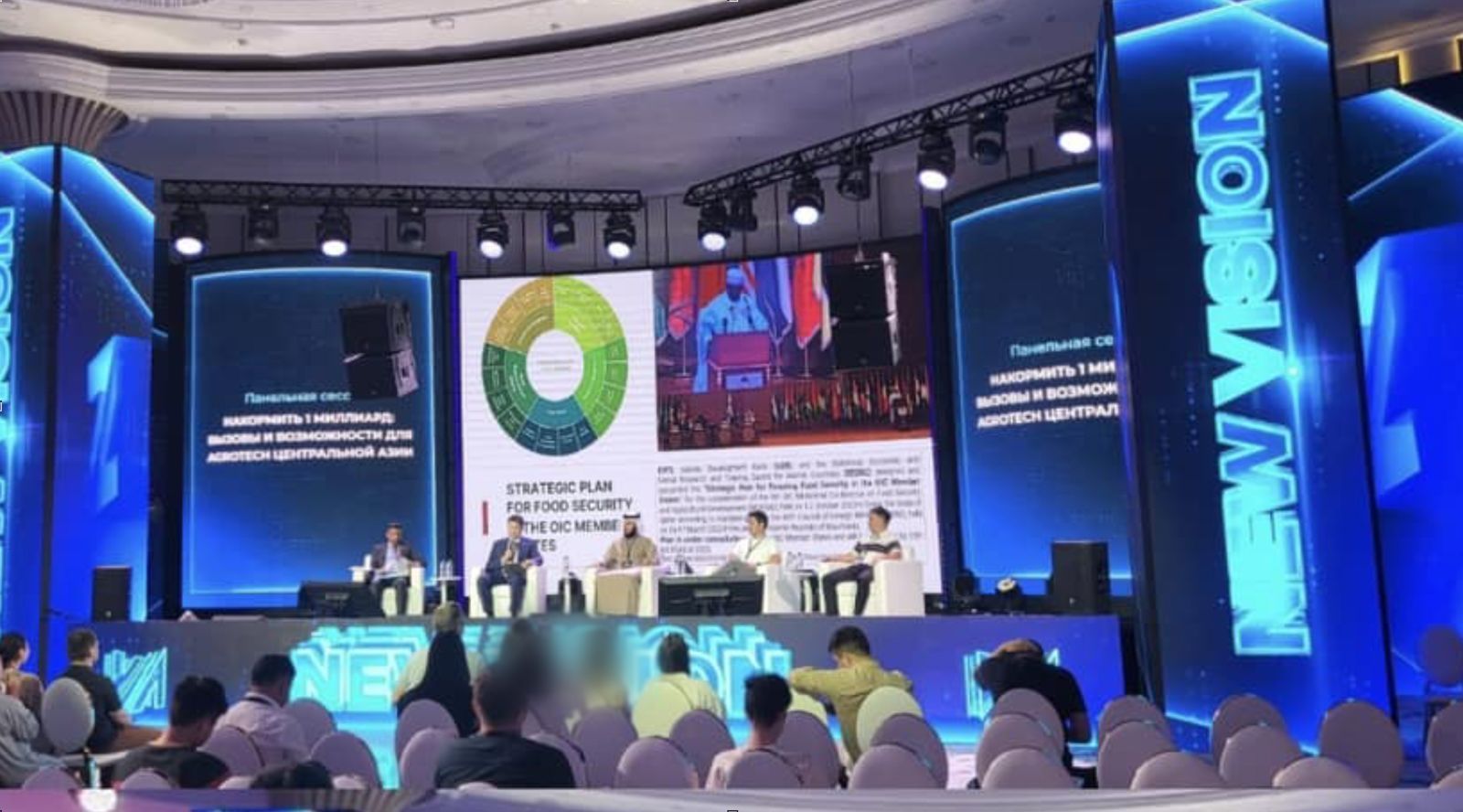
  2. October 2023T57 pre-launched at the 9th OIC Ministerial Conference and 6th IOFS General Assembly in Doha
  3. TodayActive projects in seven countries
Our partnerships

News

Latest from Al-Mukarramah

All news

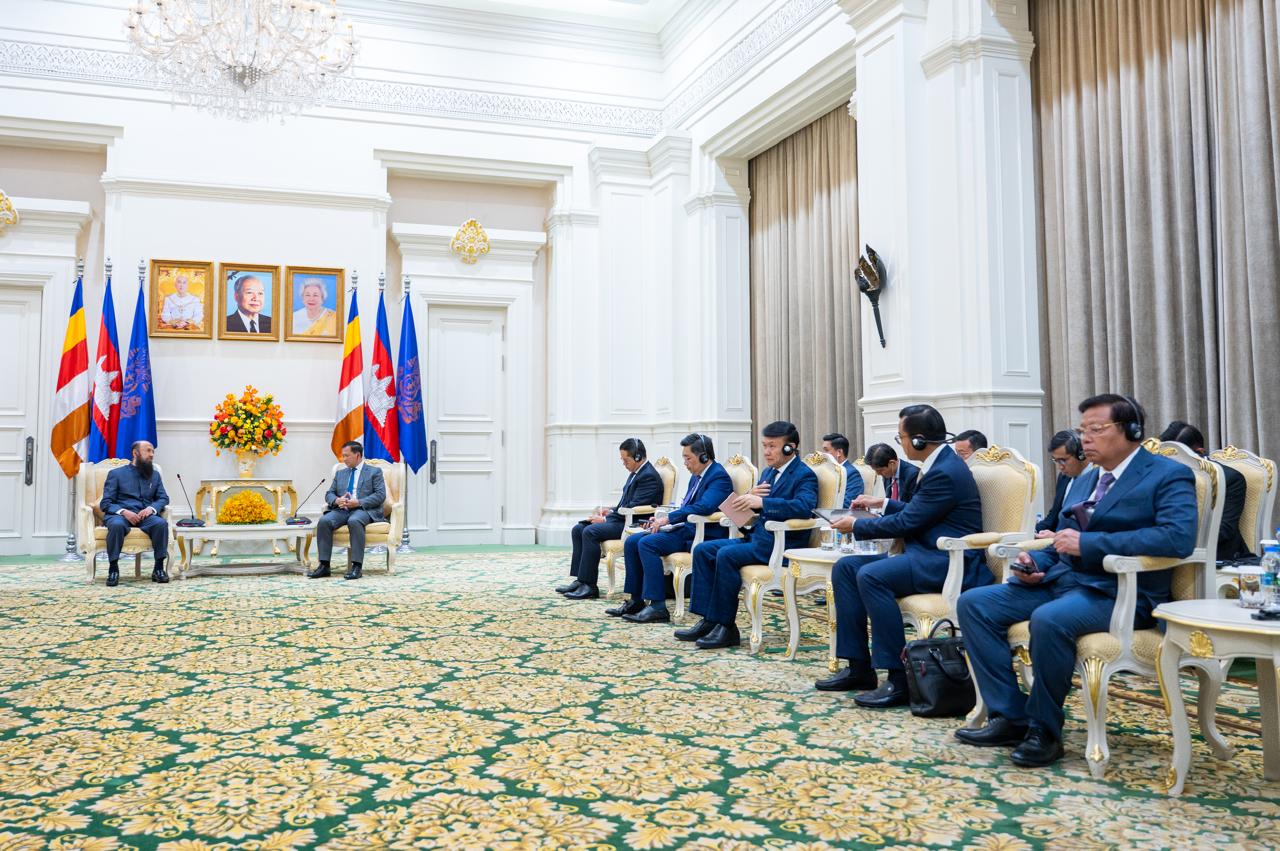
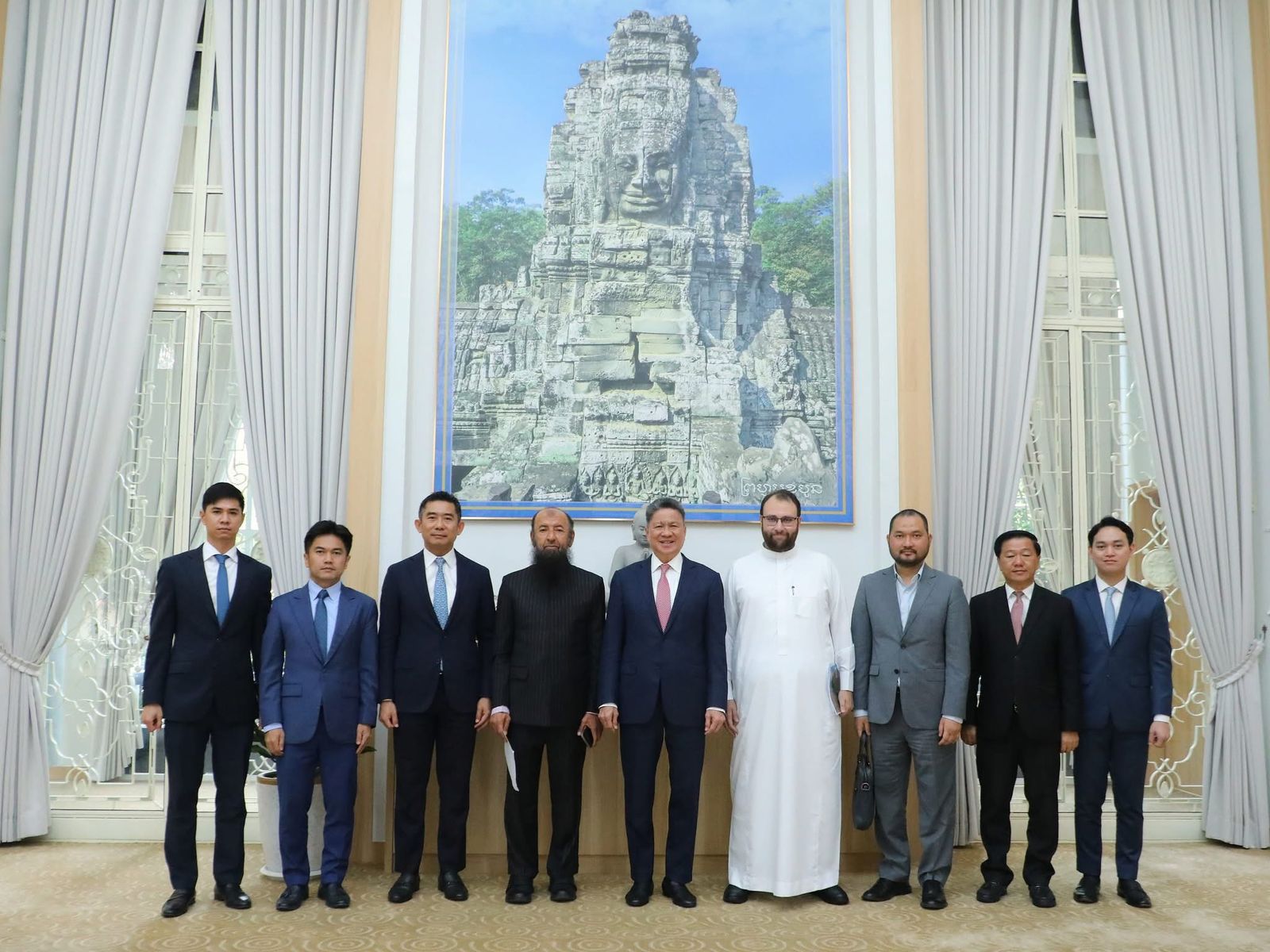
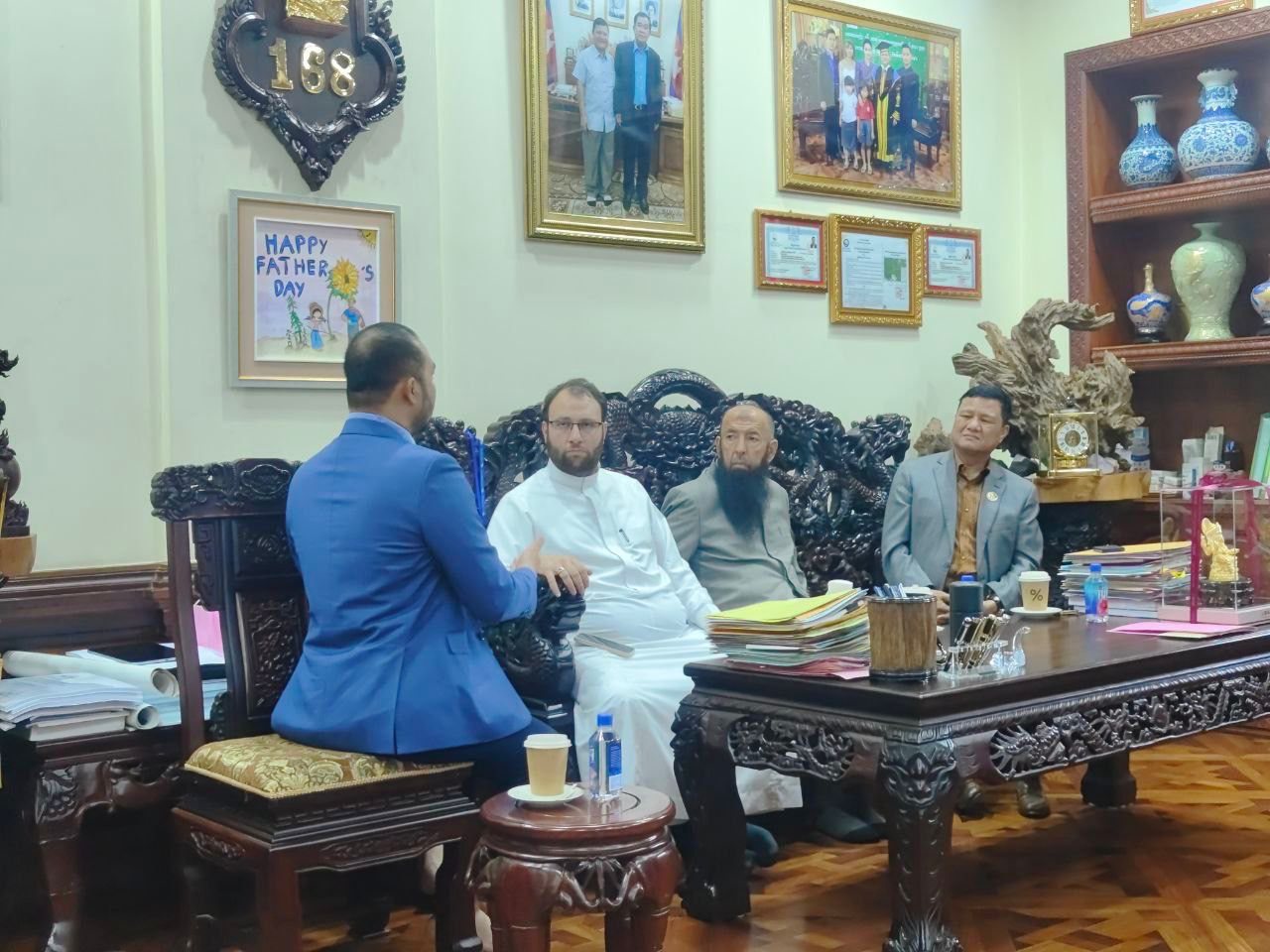
Meeting the Prime Minister of Cambodia on food security and agri-trade

An Al-Mukarramah delegation met the Prime Minister of Cambodia, Samdech Thipadei Hun Manet, at the Peace Palace in Phnom Penh. Talks covered a strategic food security partnership between Saudi Arabia and Cambodia, bringing Cambodian food brands to the Saudi market, and collaboration on rice and other agricultural commodities.

Al-Mukarramah and IOFS sign a memorandum of understanding

The Islamic Organization for Food Security named Al-Mukarramah its strategic implementation partner for food security programmes in all OIC member states. Areas include product development, distribution hubs, special agri-zones, cooperative stores, agri-technology, contract farming, fisheries, logistics and entrepreneurship.

Work with us on food security in your country.

Partner with us